The COOL-APA project team has recently gathered to refine the structure, content, and pedagogical vision of the upcoming study modules. As the work progresses, partners across Europe continue to build a shared understanding of what high‑quality, accessible and future‑oriented APA education should look like.
A key part of the discussion focused on aligning the curriculum across institutions. While each module will remain flexible, the team is working toward a common structure, shared terminology, and clear learning outcomes that support consistency without limiting innovation. Ensuring accessibility—both physical and digital—was highlighted as essential, and the project is aiming for UDL Tier 2 as the guiding framework.
Several presentations brought valuable insights. The curriculum and pilot planning are moving forward, with the first modules scheduled for development this spring. The team emphasized the importance of student support, meaningful interaction and well‑designed online learning environments. Short, high‑quality videos, thoughtful use of media, and clear evaluation practices will help create engaging and inclusive learning pathways. AI will also play a role, especially in translation and accessibility work, with local experts ensuring quality.
Important contributions came from the Ukrainian partners, who shared practical considerations related to time zones, unstable electricity, and varying learning needs. These perspectives are essential for designing modules that can be completed at an individual pace and remain inclusive for all students—whether they are full‑time learners, practitioners, or students with special needs.
To support teachers, a pedagogical handbook is now being developed. It will outline shared teaching principles, accessibility guidelines, and recommendations for hybrid, online, and on‑site learning formats. The handbook will also help ensure coherence across modules and assist educators in planning engaging digital materials.
The team agreed that the COOL‑APA programme will follow an asynchronous-first approach, allowing flexibility for international participants. Decisions regarding learning platforms, authoring tools, and module hosting will be finalized soon, and preparations for the first pilot modules are well underway.
As development continues, one guiding question remains central: How do we ensure high-quality learning for every student, wherever they are? By combining strong pedagogical design, shared values, and cross‑institutional cooperation, the COOL‑APA project aims to create durable, accessible and inspiring learning opportunities for the future of APA professionals.
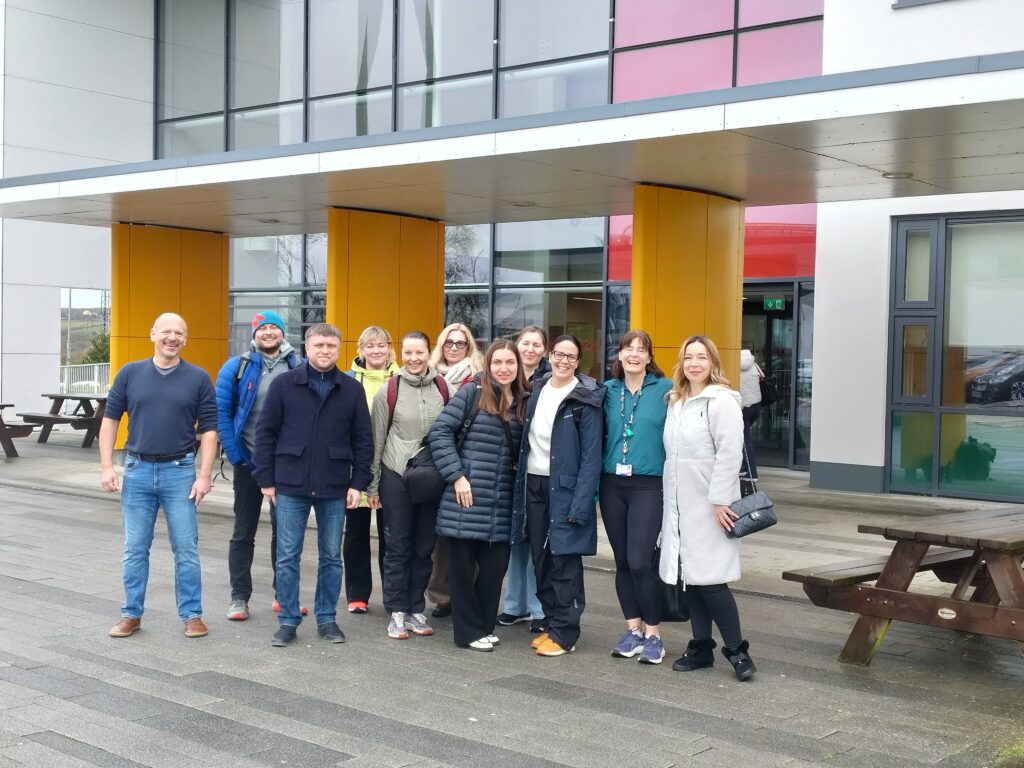
It is truly inspiring to work in a team of professionals. It is great to see a systematic approach to module development and a shared commitment to quality, accessibility, and innovation. It is especially valuable that different contexts are taken into account, including the Ukrainian experience. We are looking forward to the pilot modules and further outcomes of our collaboration!